Ginataang Bilo-Bilo: A Sweet Symphony of Texture and Tradition
Bukid Ahona
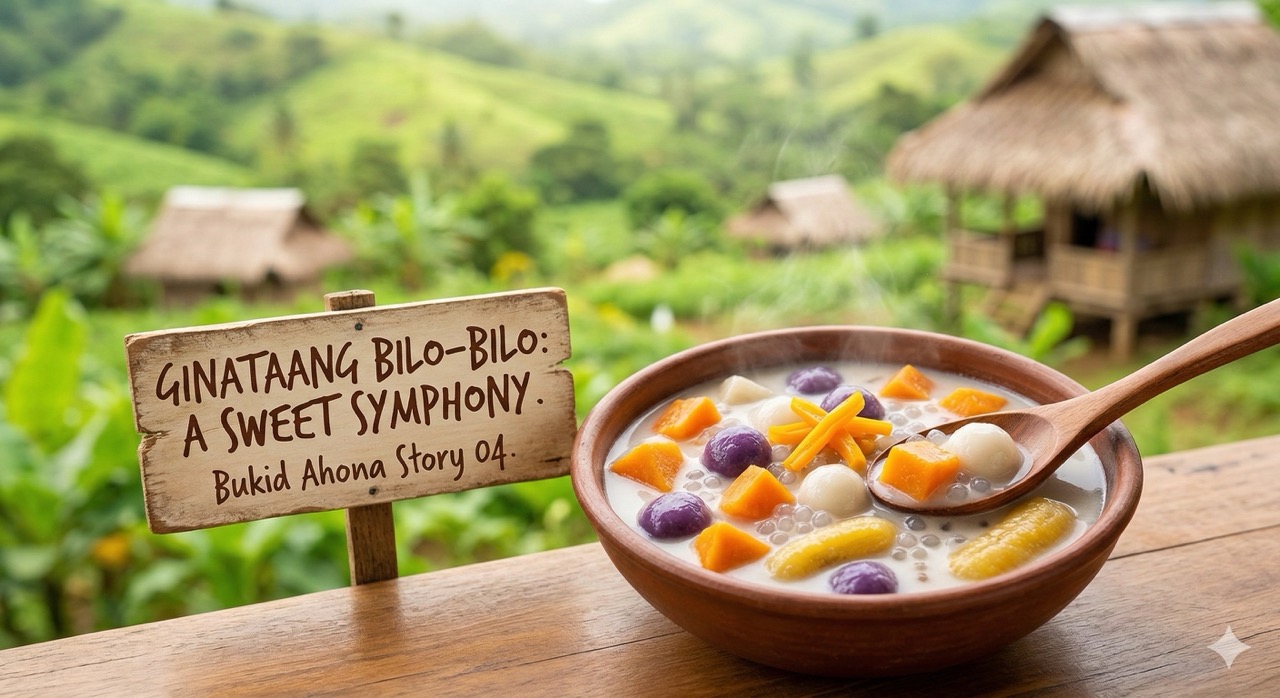
There is a specific kind of magic that happens in a Filipino kitchen when the scent of coconut milk begins to simmer. In our latest chapter at Bukid Ahona, we explore a dish that is more than just a dessert—it is a celebration of "sticky" family bonds and the vibrant colors of the islands: Ginataang Bilo-Bilo.
The name itself tells a story. Ginataang means "cooked in coconut milk," and Bilo-bilo refers to the chewy, hand-rolled glutinous rice balls that dance in the pot. It’s a warm, comforting bowl of textures, ranging from the softness of cooked tubers to the slight crunch of jackfruit.
The Heart of the Dish: Ingredients
To make a truly authentic Ginataang Bilo-Bilo, you need a harmony of land and sea (coconut). Here is what you’ll need:
| Ingredient | Role |
| Glutinous Rice Flour | The base for the chewy bilo-bilo balls. |
| Coconut Milk & Cream | The rich, silky broth. |
| Saba Bananas | Adds a distinct, honey-like sweetness. |
| Kamote (Sweet Potato) | Provides a soft, earthy texture. |
| Gabi (Taro) | Adds thickness and a nutty undertone. |
| Langka (Jackfruit) | The aromatic "soul" of the dish. |
| Tapioca Pearls (Sago) | For extra "pop" and texture. |
Step-by-Step: Bringing Bukid Ahona to Your Table
1. Crafting the Bilo-Bilo
Mix glutinous rice flour with a small amount of water until it forms a dough. Roll them into small, marble-sized balls. Pro-tip: Keep them small! They expand slightly when cooked and are much easier to eat in one bite.
2. The Coconut Base
In a large pot, simmer coconut milk with a bit of water and sugar. The secret is to keep the heat medium-low—you want to infuse the flavors without curdling the milk.
3. Adding the "Hard" Ingredients
Drop in your cubed taro (gabi) and sweet potatoes (kamote) first. These take the longest to soften. Once they are halfway cooked, add the saba bananas and the jackfruit.
4. The Grand Entrance
Gently drop the rice balls into the simmering mixture. You’ll know they are ready when they rise to the surface, bobbing like little white clouds. This is also the time to add your pre-cooked tapioca pearls.
5. The Finishing Touch
Pour in the coconut cream (kakang gata) for that final layer of richness. Let it simmer for another 2–3 minutes until the sauce has thickened into a creamy nectar.
Why We Love It at Bukid Ahona
In the Philippines, Ginataang Bilo-Bilo is often served during merienda (afternoon snack) or during rainy afternoons. At Bukid Ahona, we believe this dish represents the best of Filipino hospitality—it’s meant to be shared from a big pot, steaming hot, with plenty of laughter on the side.
Whether you are using crops from your own backyard or sourcing them from the local market, the key is patience. Rolling each bilo-bilo by hand is a meditative process that makes the first bite all the more rewarding.